21 Marco Lake Dr #8, Marco Island, FL 34145
Call Us : +1 (239) 686-1443
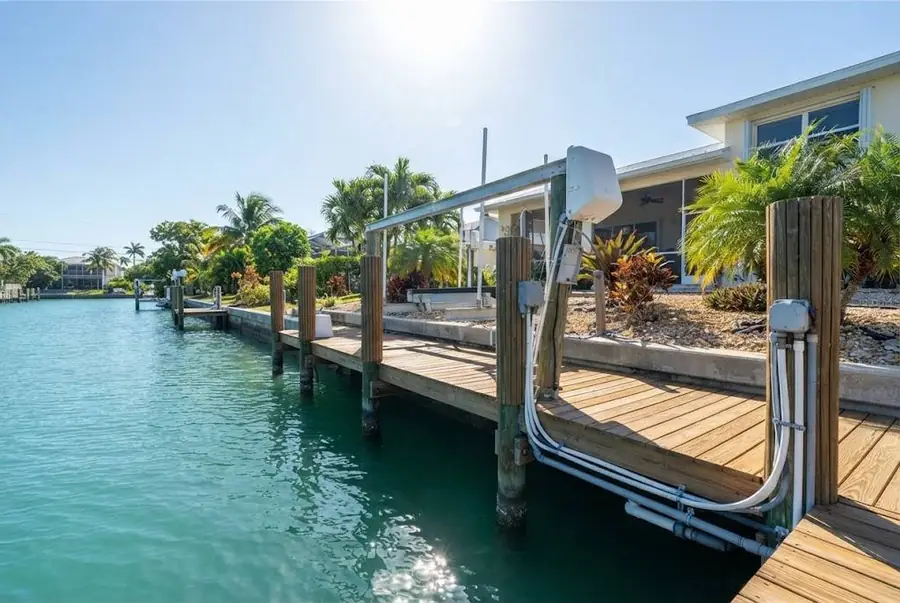
Marco Island's waterfront estates come with extra plumbing runs — boat-lift hydraulics, dock lines, outdoor showers — positioned close to canal water. More lines near water means more opportunity for a leak to go unnoticed until it's a real problem.
A water bill that jumps with no obvious cause, a damp or discolored patch on a slab, or the sound of running water when everything's off — these are the signals worth calling about before the damage becomes visible.
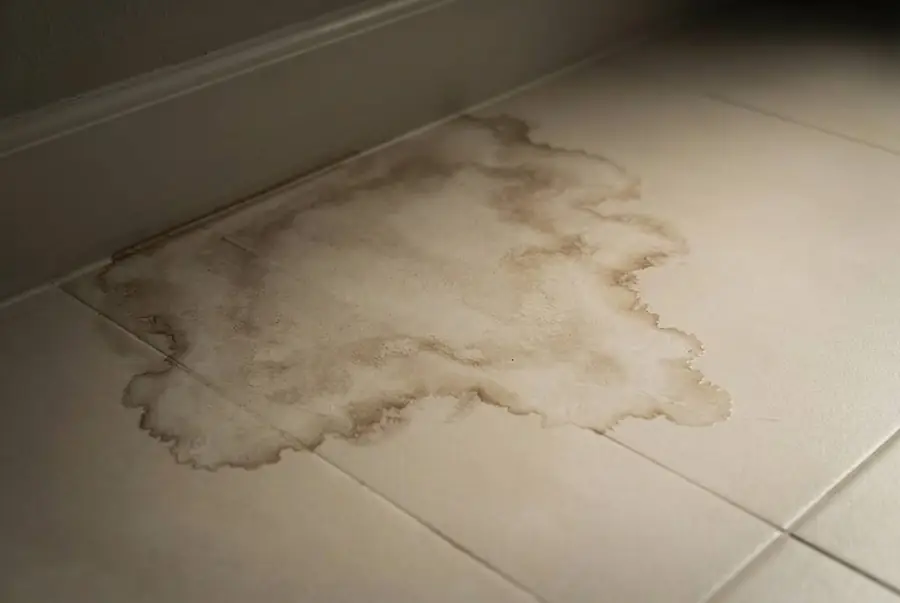
A leak can run for months in a home nobody's checking. If you're heading back to the island after the off-season, a leak-detection visit before you settle back in can catch a problem before it becomes a flood.
We use non-invasive detection methods to narrow down a leak's location before any demolition happens — the goal is finding the problem with the least disruption to your home.
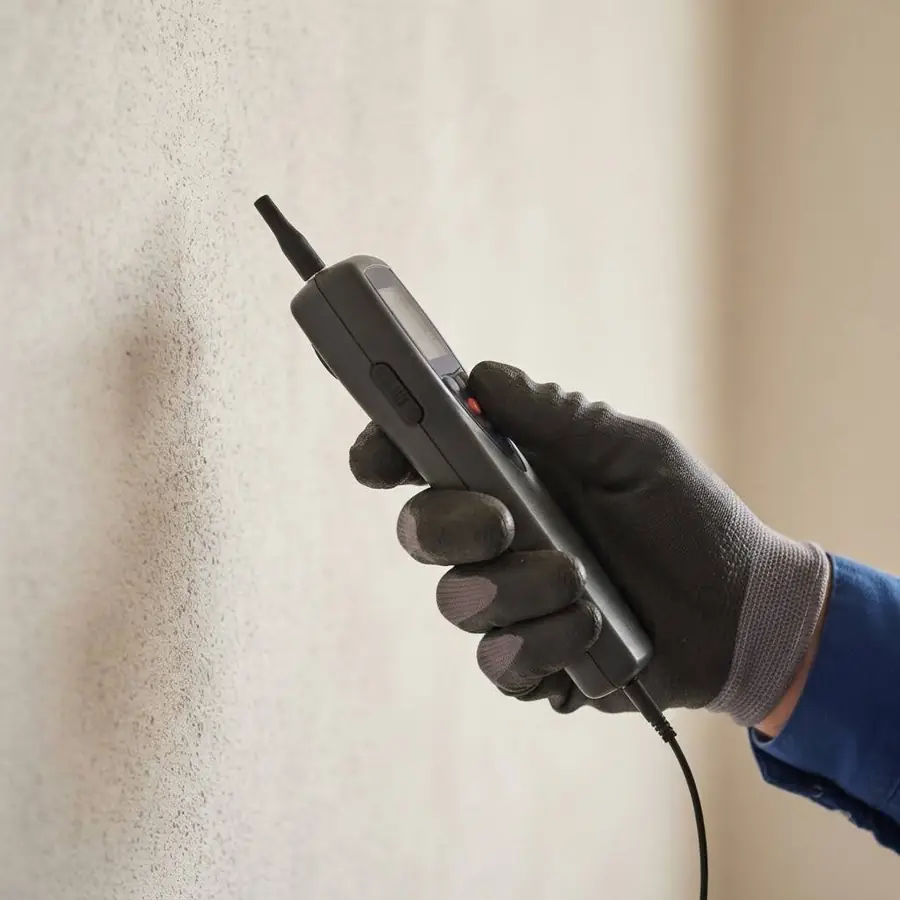
This is the question almost everyone asks before they even book a visit: how much of my floor or wall is about to get cut open to find this thing? It's a reasonable fear — a slab leak on a home with tile or hardwood floors is genuinely expensive to open up blindly, and nobody wants a guessing-game approach to their own house.
That's exactly why detection comes before any demolition, not alongside it. Non-invasive methods narrow the leak's location to a specific, small area first, so if opening something up does turn out to be necessary, it's a targeted cut rather than a search pattern across your whole floor.
We start by asking what you've noticed — a water bill spike, a damp patch, a sound of running water with everything off — because that narrows where we look first. Then we use listening and detection equipment to trace the sound and location of the leak itself before touching anything structural.
By the end of the visit you'll know where the leak is, roughly how it happened, and what the repair actually involves — including whether it's a same-visit fix or a larger job that needs scheduling separately.
Tell us what you've noticed — a bill spike, a damp patch, or a sound.
Acoustic equipment and pressure testing narrow the location.
Pinpoint the leak to a small, specific area before anything's opened.
Fix it same-visit, or scope a larger job if that's what it needs.
How accurate is non-invasive leak detection?
It narrows the location to a small, specific area before any opening is needed — accurate enough that we're not guessing where to cut.
Can a hidden leak affect my home's foundation?
A long-running slab leak can, over time — which is exactly why catching it early with detection matters.
We use non-invasive detection methods to narrow the location first, so any opening we do make is as small and targeted as possible.
Yes, that's one of the most common signs of a slab or underground leak. Worth a detection visit before it surfaces.
They have more plumbing exposed to or near water — boat lifts, dock lines, outdoor showers — which does raise the odds of an undetected leak somewhere in that system.
Yes, and that's exactly the scenario a pre-arrival leak-detection visit is meant to catch before you find out the hard way.
Yes, we handle the repair once the leak is located, or we'll walk you through options if it's a larger job.
It depends on the property and how hidden the leak is; we'll give you a time estimate when you call.
Yes, condo units are included, with the same HOA/building coordination that other condo work requires.
That depends on your policy — we're not insurance advisors, but we can provide documentation of what we find if you need it for a claim.